
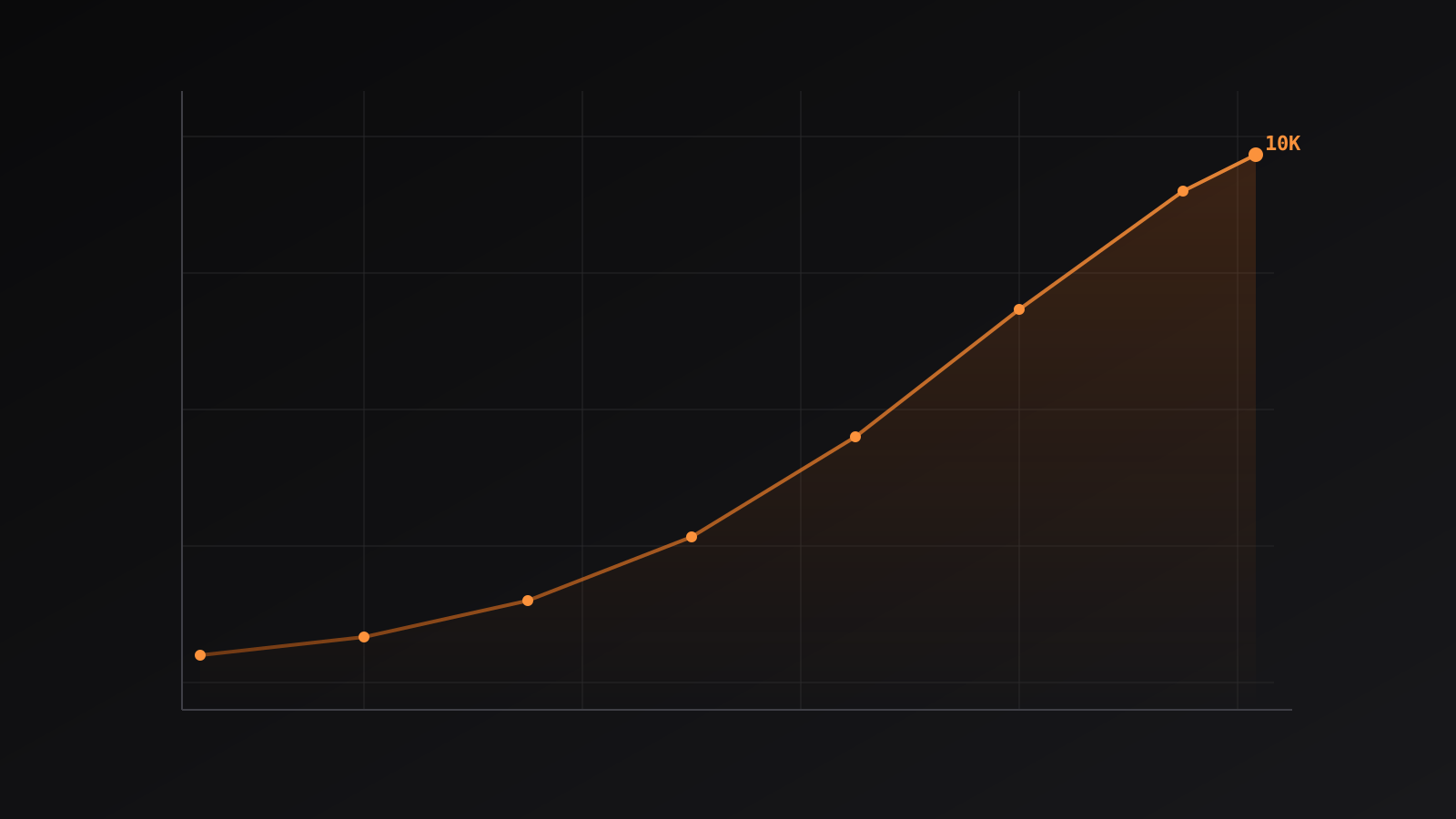
When I shipped the first version of FuelUp, I had no marketing budget, no launch strategy, and no idea if anyone would care. Seventeen months later it sits at 10,000+ monthly active users across iOS, watchOS, Apple CarPlay, and Apple Vision Pro.
Here's what actually moved the needle.
The idea that solved a real problem
I built FuelUp because I was annoyed. Gas prices were volatile and every app I tried was either ugly, US-only, or required a login to see anything useful. I wanted something that opened instantly, showed me the cheapest nearby station, and got out of my way.
That frustration is the best possible starting point. You're building for yourself, so you know exactly what "done" looks like and you genuinely care about quality. Users can feel that.
Shipping before it was ready
Version 1 had one screen: a map with price pins. No history, no filters, no widgets. I shipped it anyway.
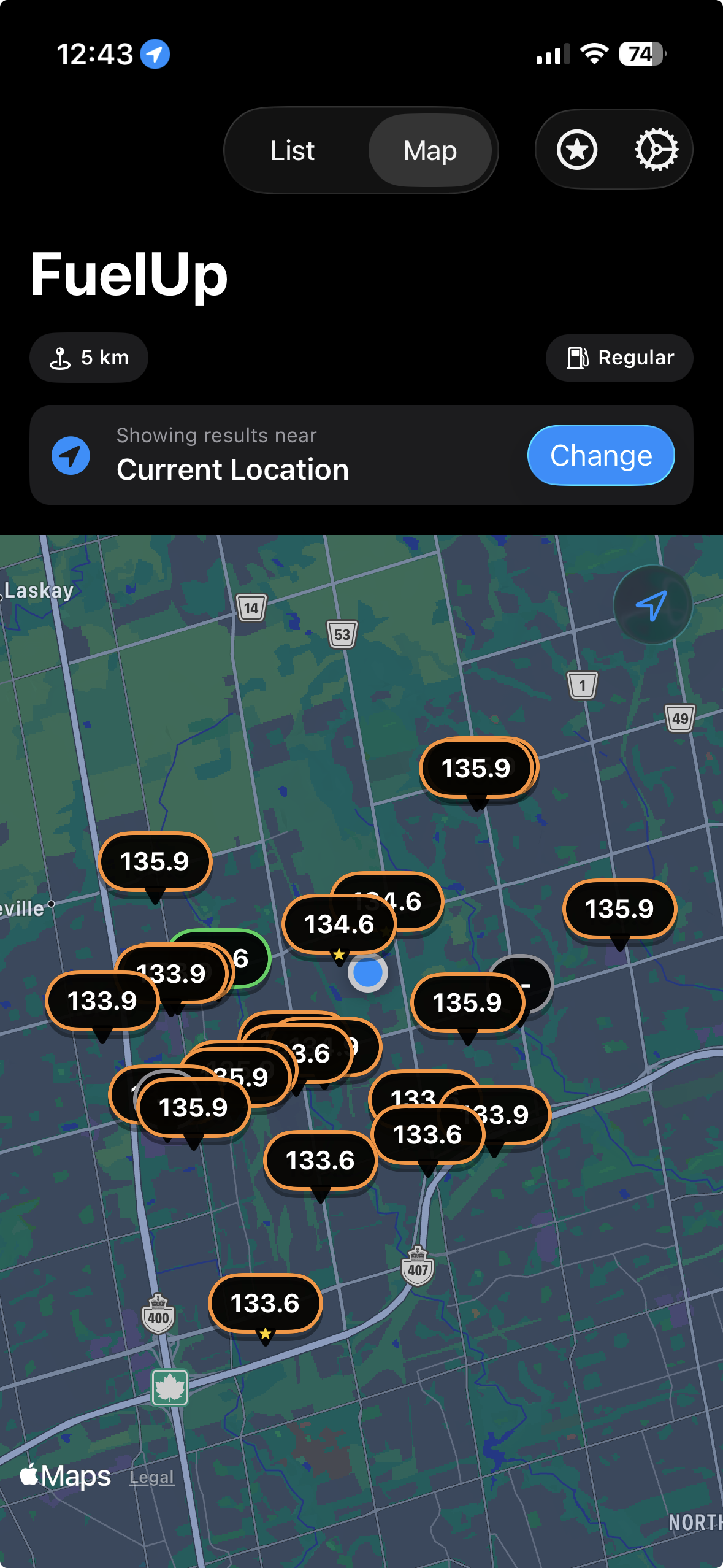
The early users taught me what mattered. The #1 request in the first two weeks was a widget. Not a feature I'd have prioritized. I thought the map was the product. The widget is the product for most users. You can't learn that without shipping.
App Store optimization is underrated
Most indie developers spend 95% of their time on code and 5% on the listing. I flipped the ratio for a month.
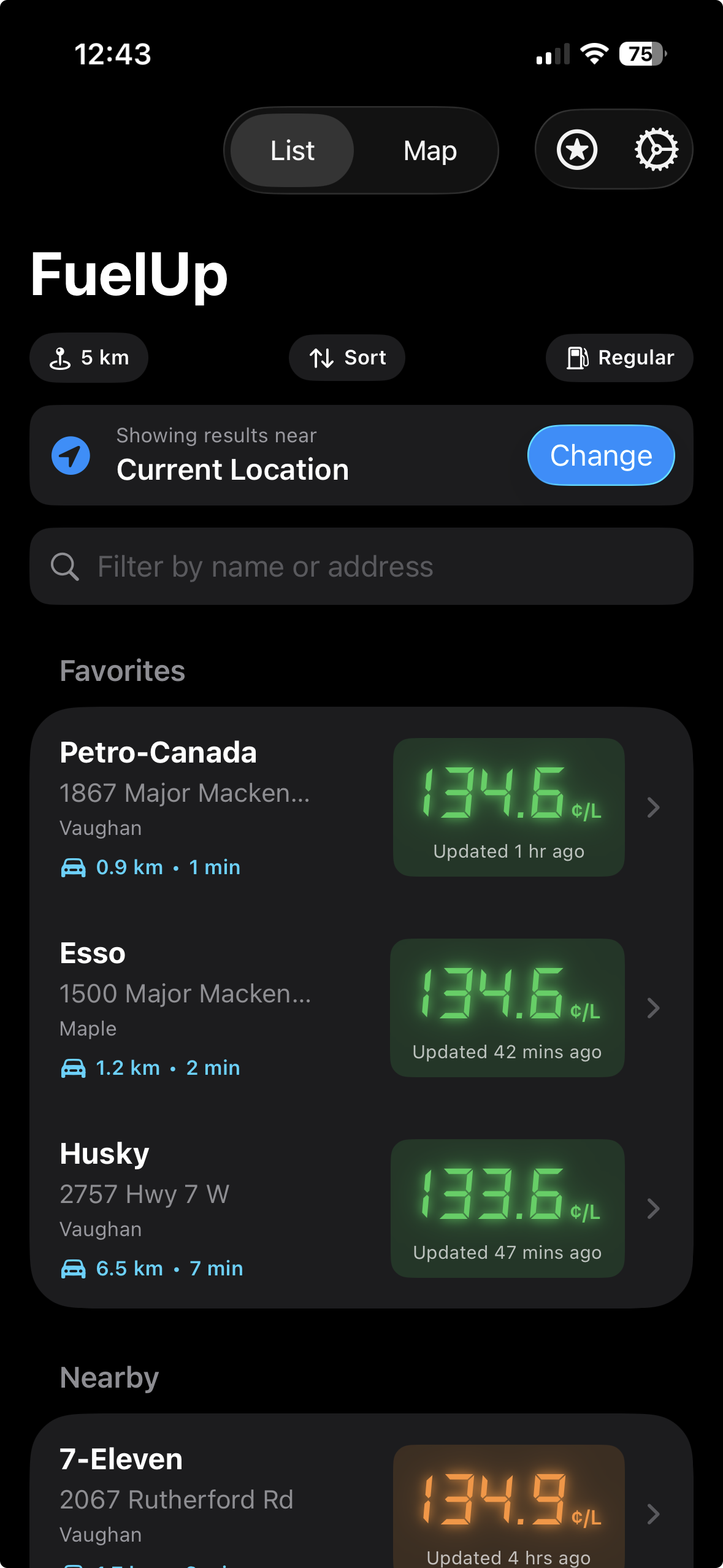
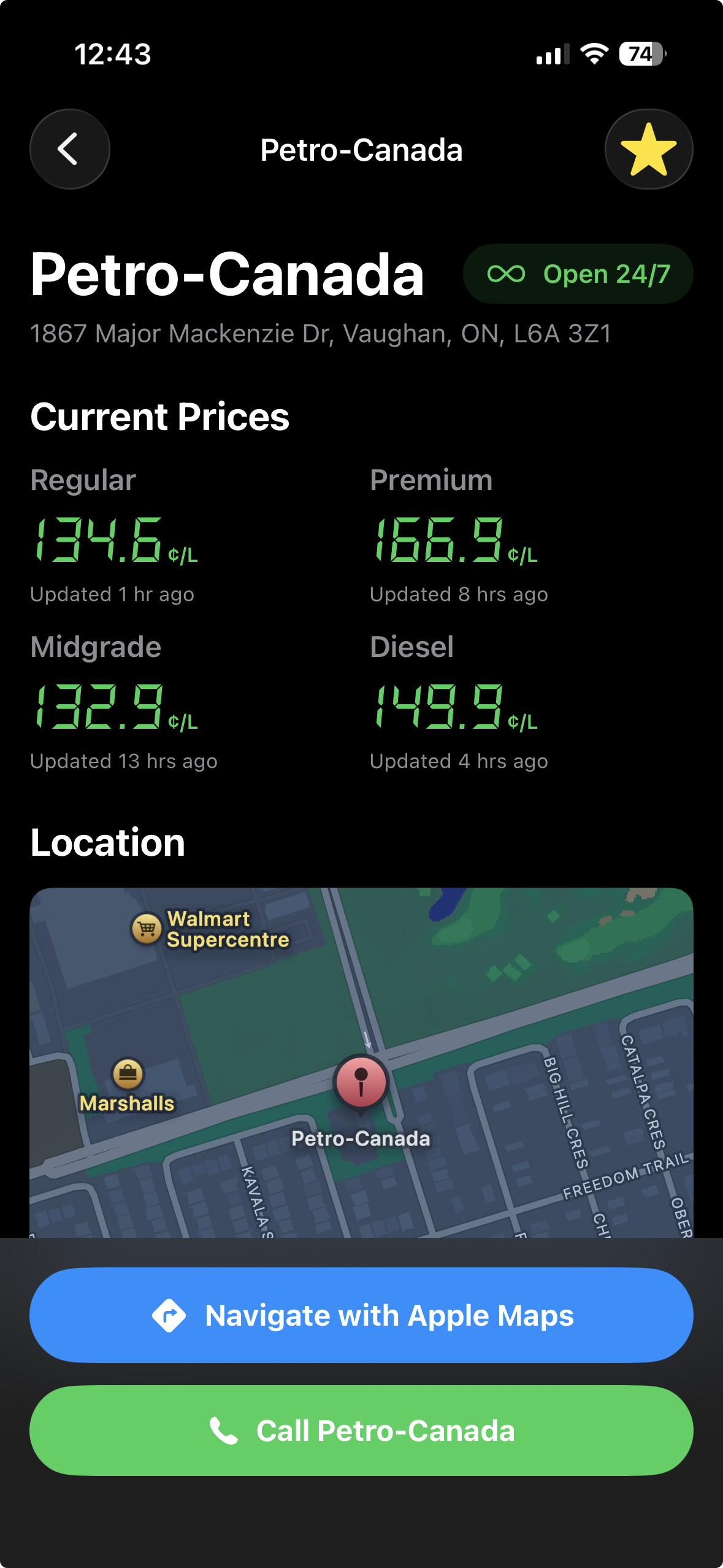
Screenshots with real in-context UI converted better than plain screen recordings. A subtitle that named the use case ("Find cheap gas near you") beat the generic one I started with. Localizing keywords, not just the name but the keyword field, opened up a second organic channel I wasn't expecting.
None of this is glamorous. It works anyway.
The ZDNET mention
One day I got an email from a ZDNET journalist working on a roundup of fuel-saving apps. I hadn't pitched anyone. She found FuelUp in the store.
The article drove a noticeable spike. But more importantly, it validated the product in a way that synthetic metrics don't. A real journalist, with no stake in the outcome, decided it was worth recommending. That mattered to users who saw it.
You can't manufacture that. You can create the conditions: a product worth writing about, screenshots that make it easy to understand at a glance, and a support email that responds within 24 hours.
What didn't work
Posting on Reddit. Social media launch threads. ProductHunt.
None of these generated lasting growth for a utility app. They generate a one-day spike and then nothing, because your product isn't part of the audience's daily routine.
Utility apps grow when people need them. They grow through search. App Store search, Google search, word of mouth at a gas station. Not through launches.
The real lesson
The users who stuck around weren't impressed by features. They were impressed by reliability. The app opens instantly. Prices are fresh. Widgets never stall.
That's not exciting to build. It's everything.